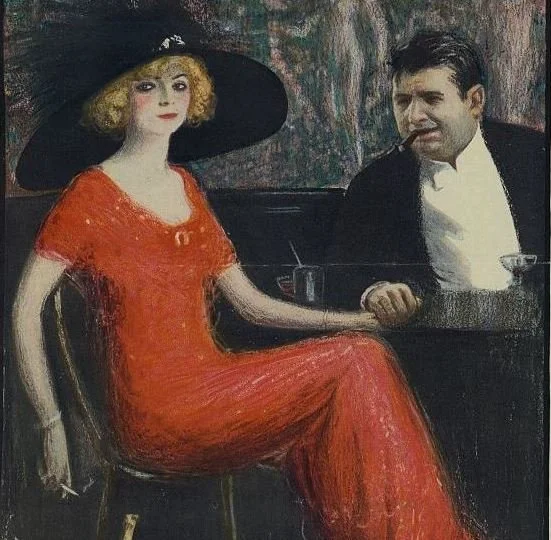
There is nothing Benevolent about Benevolent Sexism
Most women recognize sexism when they experience it. It typically takes the form of harassment, incivility, or discrimination. It harms women’s careers at all stages, including recruitment, hiring, promotion, performance reviews and promotion. It also keeps women’s pay lower than men’s across professions, beginning with the starting offer, and it hurts retention.
Less obvious than overt or hostile sexism is benevolent sexism, which comes from paternalism and is couched in positive terms. For this reason, women experiencing benevolent sexism might not recognize it as sexism. Yet it is still undermining and limiting. In a study of sexism in the job search, Nitya Chawla and Allison S. Gabriel found that hostile sexism makes women angry while benevolent sexism makes them anxious.
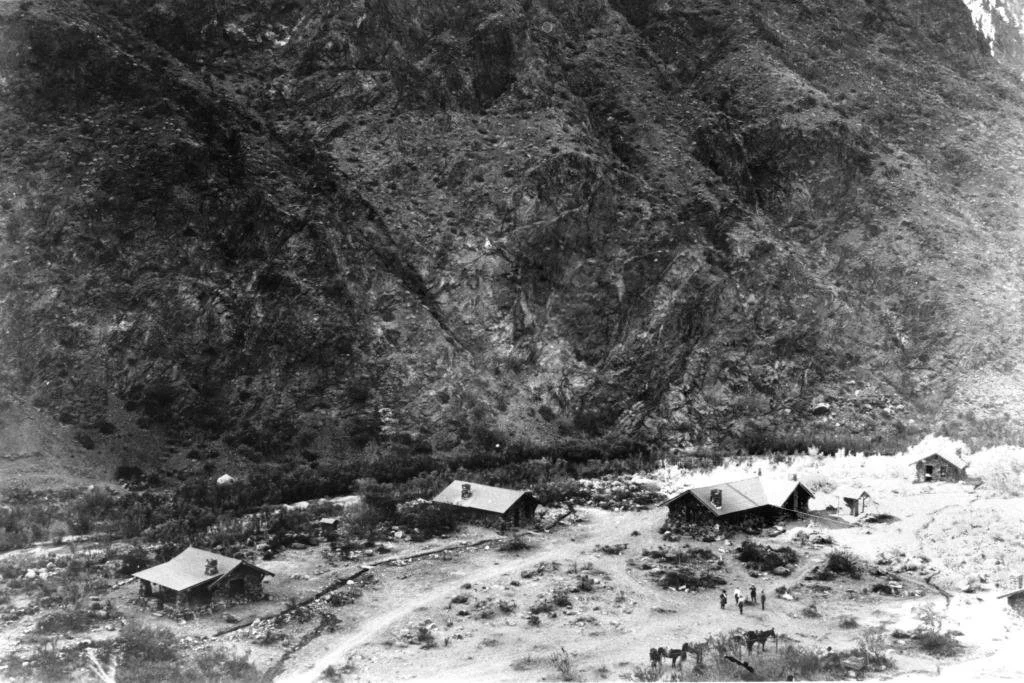
Flash Flooding near Phantom Ranch
The August 29 flash flood in the Grand Canyon’s Bright Angel Canyon took at least two lives and damaged or destroyed infrastructure including bridges, trails, and the Transcanyon Waterline. Phantom Ranch, the tourist resort designed by Mary E. J. Colter (1869 – 1958), was evacuated and closed, but no damage to the historic buildings has been reported.
At the time of this writing, I have found no mention of the mules that carried visitors to Phantom Ranch. Today mules are essential to operating Phantom Ranch, packing supplies and guests. Mules and pack horses played a key role in constructing the 1922 tourist resort and the suspension bridges over the Colorado River that provided access to the site. Almost all the necessary building materials had to be transported from the canyon rim down one vertical mile to the canyon floor, and pack animals did most of the hauling. Read about this in Mary Colter, Mules, and Phantom Ranch, my 2022 post on the topic.

Lilian J. Rice Designed a Small City
Lilian J. Rice (1889 – 1938) was one of the first women to graduate from the University of California-Berkeley’s architecture program, in 1910. She is best known for designing many of the buildings in Rancho Santa Fe, a planned city built on 9,000 acres near San Diego. Douglas Fairbanks and Bing Crosby were among the early residents of the community.
Rice headed the Architecture Department at Rancho Santa Fe for five years for the Santa Fe Land Improvement Company, a division of the Santa Fe Railway, beginning in 1922 or 1923. During this time she supervised construction and designed many of the city’s homes and civic buildings.

Work Assignments: No Good Deed goes Unpunished
Ever feel like your reward for doing good work is to be overburdened with more work? There is research to support this. Employees who are self-motivated and enjoy their work are assigned additional tasks outside of their area responsibility more often than their less motivated colleagues. This is because supervisors mistakenly believe the high-performing workers will not mind, researchers Sangah Bae and Kaitlin Woolley write in Organizational Science. Leaders also erroneously assume that since the selected workers enjoy their own work, the additional work will not contribute to burnout.
But the researchers call these assumptions “oversimplistic.” An employee who enjoys their work does not automatically enjoy additional tasks that fall outside of their core responsibilities. Disproportionately assigning additional tasks to these intrinsically motivated employees can harm their engagement and long-term retention, the researchers found. This is true for both high profile and low profile tasks.
Mary E. J. Colter and the Issue of Age
Today there is no right age to be a professional woman. During architect and decorator Mary E. J. Colter’s lifetime (1869 – 1958), the only right age was a young age. “Today there are few old people,” the 1905 manual Everyday Etiquette declared. “First, there is youth. That lasts almost until one is a grandparent; then one is middle-aged. No one is old,--at least few will acknowledge it. The woman of forty-five is on ‘the shady side of thirty,’ she of sixty-five, is ‘on the down-slope from fifty.’”
In 1910, Colter was well on the shady side of thirty. But when the census-taker came calling at the Seattle home where she was living, he recorded her age as 37. This age was three or four years younger than would be expected from Colter’s ages in 1880, 1890, and 1895 Census documents.
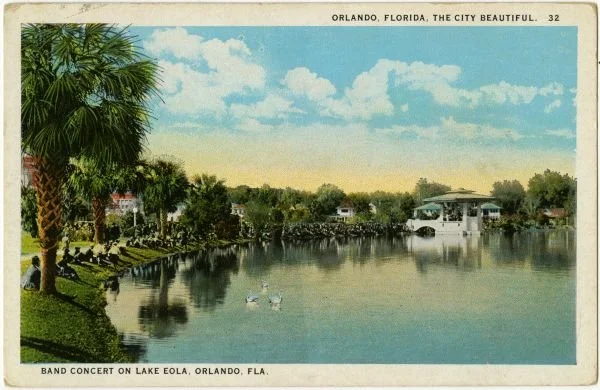
Isabel Roberts, Architect Recommended by Wright
Isabel Roberts (1871 – 1955) spent much of her professional career in Florida where, with Ida Annah Ryan, she designed residential, civic, and commercial buildings. Born in Missouri and raised in Indiana, Roberts studied architecture in New York City for three years in a studio modeled after those at the Ecole des Beaux Arts. After completing her education, Roberts moved to Illinois and worked for a series of firms as a drafter.
In 1901, Roberts joined Marion Mahony as the second woman in Frank Lloyd Wright’s practice. Although Roberts held a key role in several of Wright’s projects—including in the design of a house for herself and her mother—Wright was not known for sharing credit. He described Roberts as his bookkeeper and babysitter, leading subsequent historians to document this as her role. While it is possible that Roberts performed these tasks as well as drafting and design, it was not all she did. When Wright left Oak Park for Europe in 1909, Roberts was one of the designers he entrusted to finish the work of his office. In 1920, Wright wrote a letter of support that was submitted with Roberts’ application to American Institute of Architects (AIA). Wright stated, “Miss Isabel Roberts was my assistant in the practice of Architecture for several years and I can recommend her without reservation to anyone requiring the services of an Architect.”
Gender Wage Gap Starts with the Offer
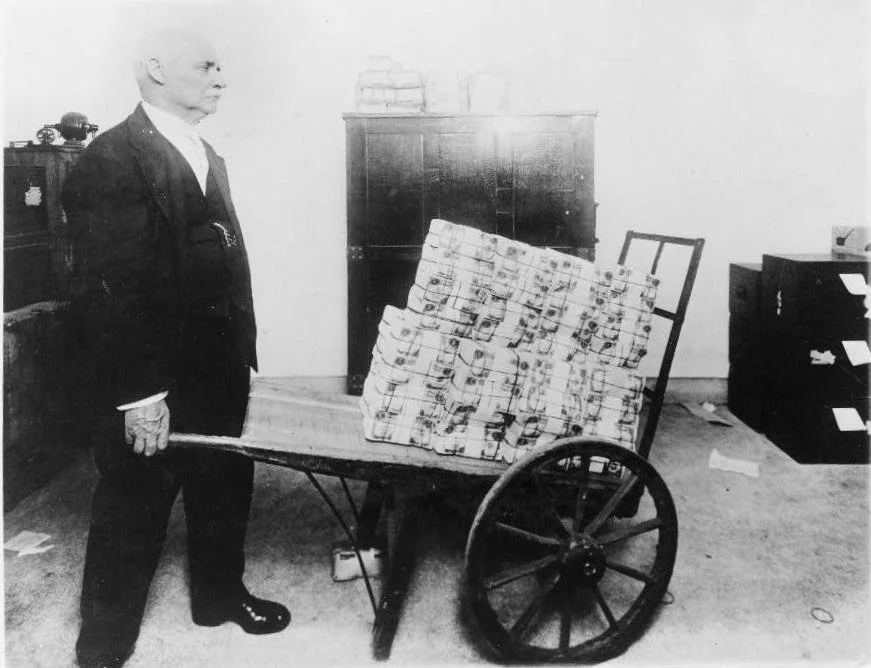
Employers as a group offer lower initial salaries to female job-seekers than to their male competitors, Shiya Wang and Adina Sterling write in Organization Science. After controlling for factors like occupation, worker characteristics, and employer, the researchers found a 5.5 percent gender gap in initial salary offers. Wang and Sterling’s data comes from Payscale, a compensation platform that has collected employment data for more than twenty years. Much of the data is for white-collar professional jobs.
Lower initial offers help explain why, even though women have negotiated their offers more frequently than men for more than 20 years, they are still paid significantly less. In 2024, women working full-time and year-round earned 83 cents for every dollar earned by men, according to the US Census.
How Phantom Ranch Got its Name
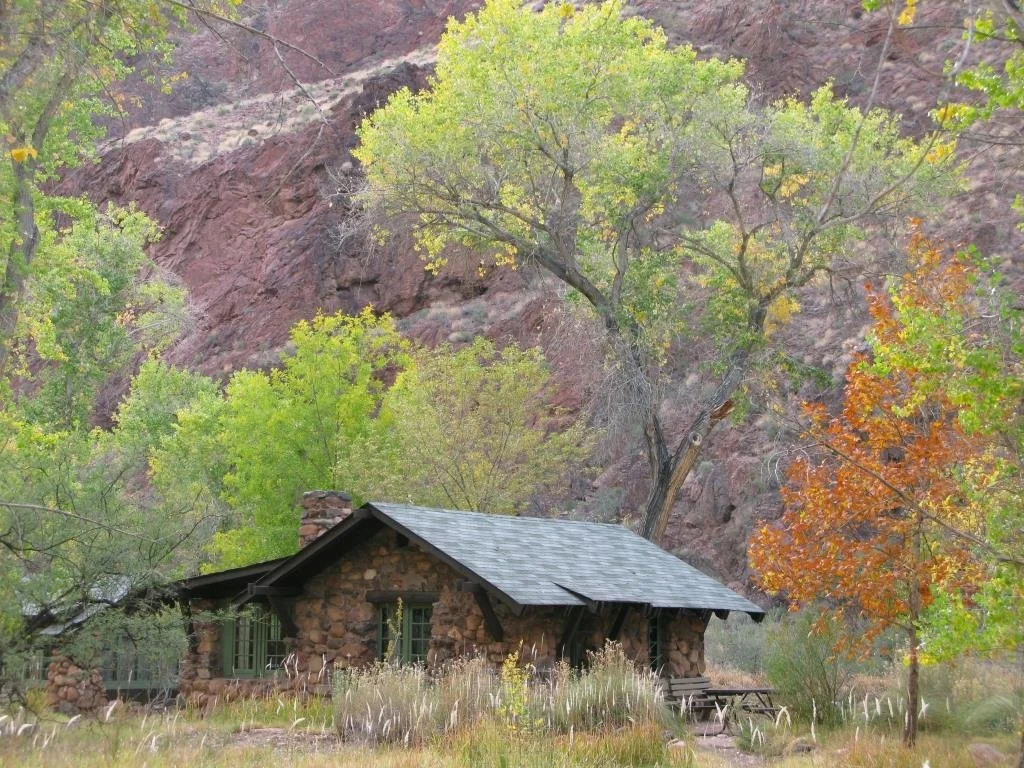
Phantom Ranch, a rustic tourist resort on the floor of the Grand Canyon, was designed by Mary E. J. Colter (1869-1958) and opened in June 1922. “It is something new, be you even the most satiated of globe trotters,” a promotional brochure read. “It makes possible evenings and nights in an atmosphere of unreality, thousands of feet down in the heart of the earth.”
Located a mile below the canyon’s south rim on the north side of the Colorado River near Bright Angel Creek, getting materials to the building site was a challenge. Everything had to be conveyed by mule. To lessen this burden while increasing the buildings’ harmony with nature, Colter specified stone found near the site for the piers, walls, and chimneys. A journalist visiting Phantom Ranch not long after it opened wrote, “Working with the native red Supai sandstone of the canyon walls for building material, Miss Coulter [sic] accomplished something…perfect [in its] fitness to its surroundings.” Colter was also responsible for the resort’s site planning.

Georgia Louise Harris Brown, Architect and Engineering Ace
Georgia Louise Harris Brown (1918 – 1999) is believed to be the second African-American woman in the US to become a licensed architect, in 1949. (Beverly Green is thought to be the first, in 1942.) Harris was born in Topeka, Kansas and attended Washburn University from 1936 to 1938, when she moved to Chicago where her brother was living. Harris took her first architecture class there the following year.
The night class Harris took was taught by recent immigrant Ludwig Mies Van der Rohe at the institution now known as Illinois Institute of Technology (IIT). Harris had a knack for structural engineering, and her future career in Chicago would include conducting the structural calculations for several of Mies’s high-rise buildings.

Trend Shows Unequal Pay Ending in 2088
Women have been advocating for equal pay for equal work since at least the nineteenth century but are still decades away from achieving it. If the pace of change since 2000 continues, it will be 2088 before women attain wage equality with men, according to the National Partnership for Women & Families. This is twenty years longer than projected last year.
Women working full-time and year-round earned 83 cents for every dollar earned by men in 2024, according to the US Census. Across all jobs and hours worked, women earned an average of 76 percent of what men did in 2024. Non-white women earned lower percentages. “On average, women employed in the United States lose a combined total of over $1.9 trillion every year due to the wage gap,” the National Partnership for Women & Families found. This disadvantages women—more than 36 million of whom are heads of households—and the children and others who depend on them.
The Dedication of the Desert View Watchtower
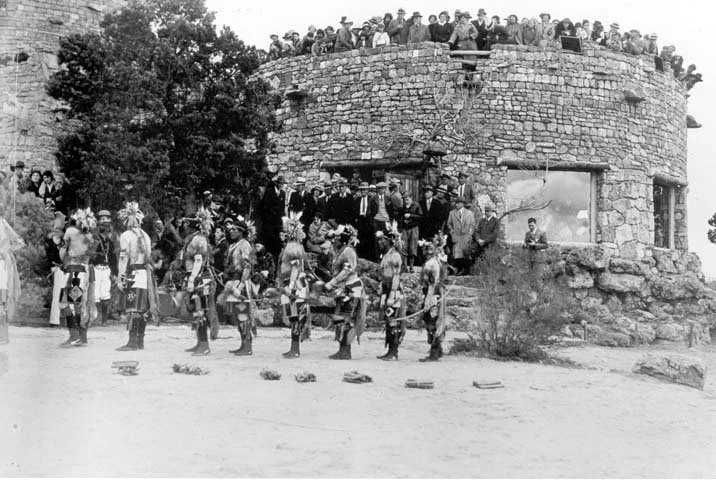
In the early 1930s, Fred Harvey architect and decorator Mary E. J. Colter (1869-1958) spent much of her time at the Grand Canyon where she observed the construction of the rest house and observatory she had designed. The tower was located 25 miles from the railroad depot at a high point on the canyon’s south rim.
Colter had integrated architectural elements from Ancestral Pueblo heritage sites into the Desert View Watchtower’s design and commissioned Hopi artist Fred Kabotie to paint murals related to Hopi ceremonies on the tower’s second floor. Representing the indigenous cultures of the region was important to Colter. It was also important to her employer.
Leola Hall: Artist, Designer, Speculative Builder
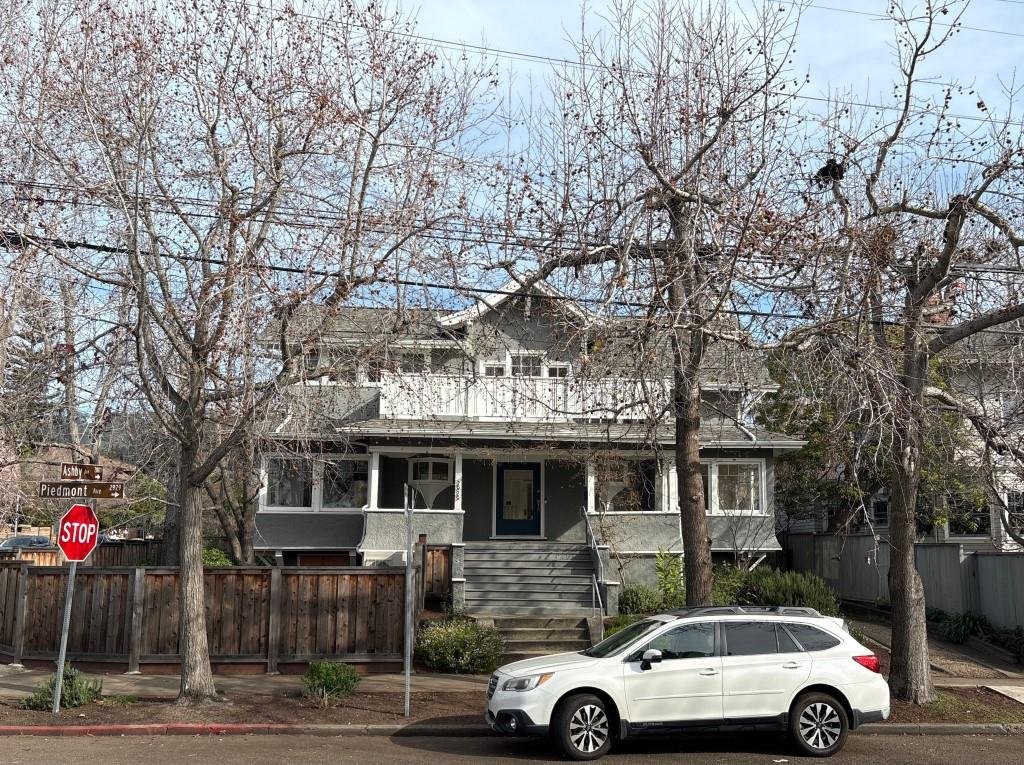
Leola Hall (1881 – 1930) was an artist, designer, and speculative builder in the San Francisco Bay area. Hall was born in San Leandro and lived in California except for a few years as a child when her father worked in Arizona as a miner. As an adult, Hall designed, built, and sold Craftsman-style homes, many in the Elmwood district of Berkeley. A partial list of her work includes nearly forty homes, most built between 1906 and 1909.
The existence of a “woman builder” drew a house-hunting reporter’s attention in 1907, when Hall was about 26. While the reporter’s companion described Hall’s homes as “a combination of sense and sunshine,” the reporter became more interested in the novelty of Hall’s gender than in the design of her houses. Hall told the reporter her first success was in “designing heads for couch pillows”—apparently decorative generic portraits—and doing burned decorative work on wood while recuperating from an illness in Los Angeles. She obtained copyrights for her designs, some of which sold very well.
Stereotype Threat Depletes Female Leaders
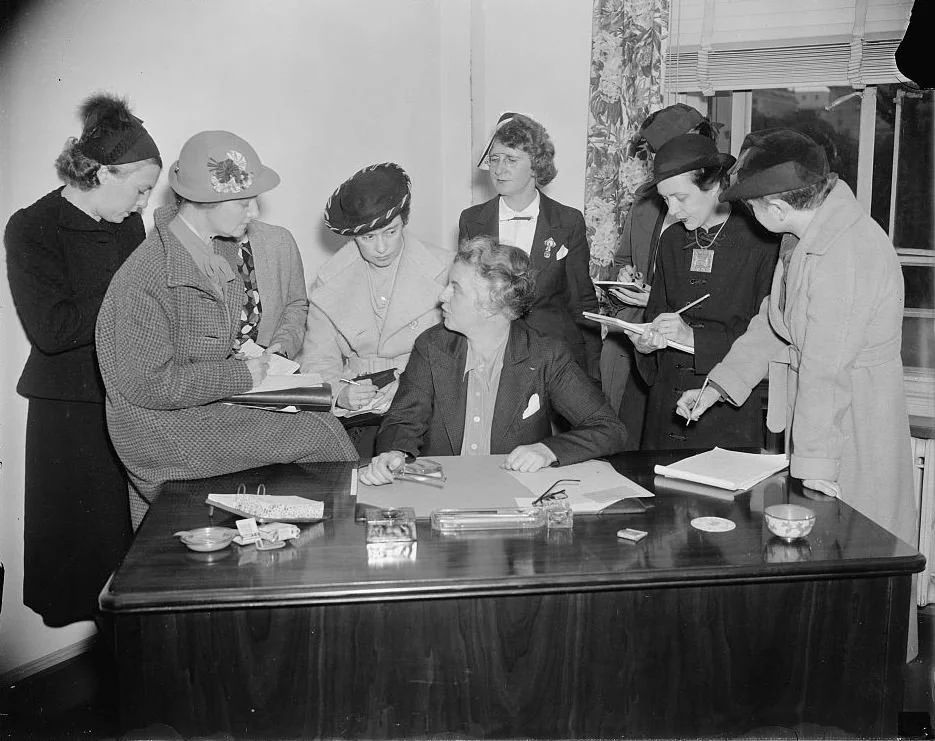
Gender stereotypes may harm women’s careers. Some may experience backlash owing to not conforming to these stereotypes; for example, women acting assertively might be considered unlikeable or aggressive. Other women might expend energy attempting to further their careers in a way that avoids backlash.
But female leaders face particular challenges. Gender norms dictate that women take care of people but other leadership skills like defining tasks and roles, giving direction, and organizing team activities are considered stereotypically male skills. Female leaders therefore often feel restricted about how they can act.
Gunnar Widforss Painted Mary E. J. Colter’s Watchtower
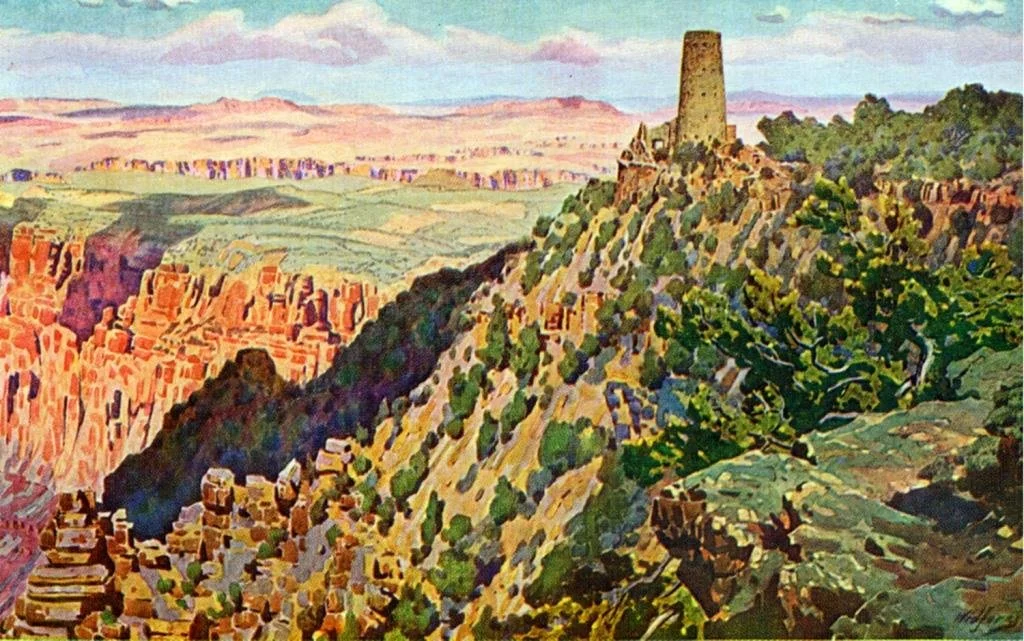
Architect and decorator Mary E. J. Colter (1869 – 1958) spent weeks or months at a time at the Grand Canyon during her more than forty years working with the Fred Harvey hospitality company. Between 1904 when she helped decorate the Hopi House and her retirement in 1948, Colter designed rest houses, hotels, worker dormitories, a resort, an observation tower, and the renovation or redecoration of other projects. She also worked with the National Park Service on park planning.
During her time at the Grand Canyon, Colter naturally became acquainted with locals, colleagues, and others. Artists were among those drawn to the canyon’s beauty. Some were introduced to it by the Atchison, Topeka, and Santa Fe Railway. The Railway’s promotional efforts included bringing artists to the Grand Canyon and other attractions in exchange for the use of one of the works they produced there. Thomas Moran was an early participant of this program. A color lithograph of one of his paintings allowed the Santa Fe to bring the Canyon’s many colors to viewers who had only seen the Canyon in black and white photographs, if at all.

Elizabeth G. Pattee: Professor, Architect, Landscape Architect
Elizabeth Greenleaf Pattee (1893-1991) enjoyed a long career as an architect, landscape architect, and professor in New England. In recognition of her contributions to the profession, Pattee was named a Fellow in the American Society of Landscape Architects in 1961. She was also a member of the AIA beginning in 1933.
Born in Quincy, Massachusetts, Pattee graduated from the Massachusetts Institute of Technology with a B.S. in Architecture in 1916. In 1916 she became Assistant Principal at the Lowthorpe School of Horticulture and Landscape Gardening for Women in Groton, Massachusetts. Concurrently, Pattee studied landscape architecture there.
How to Disagree Effectively at Work
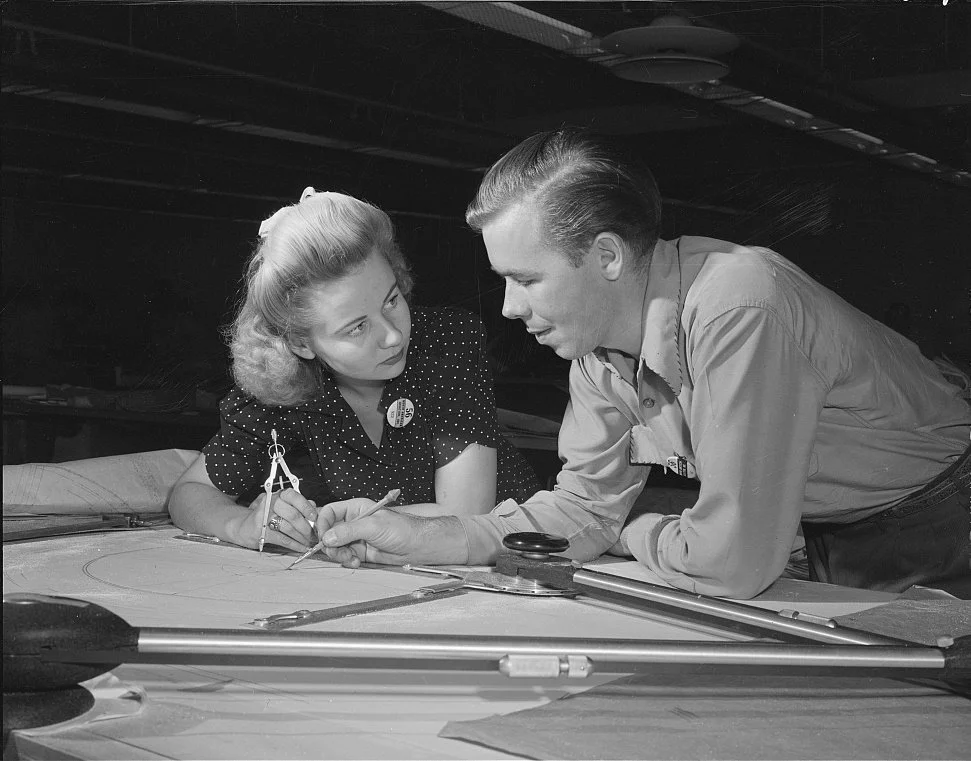
Disagreements at work can lead to innovative solutions that include diverse perspectives and avoid costly mistakes. But if not managed effectively, disagreements can instead result in misunderstandings, bad feelings, and stress. For example, owing to gender stereotypes, women who challenge others might be viewed as violating social norms and risk experiencing backlash. The resulting balancing act of disagreeing without being judged as aggressive or unlikeable can have a cost for women.
For all genders, there are strategies to increase the effectiveness of disagreeing. Much has been written about the benefits of approaching disagreements with respect and empathy, but “These methods often fail because they rely on unobservable mental states,” Julia A. Minson et al write inthe Harvard Business Review. Since people aren’t mind-readers, the researchers say it is more constructive to use language to signal qualities such as an interest in learning why a colleague has a different opinion, or in finding common ground.
Mary E. J. Colter on Trains, Planes, and Automobiles
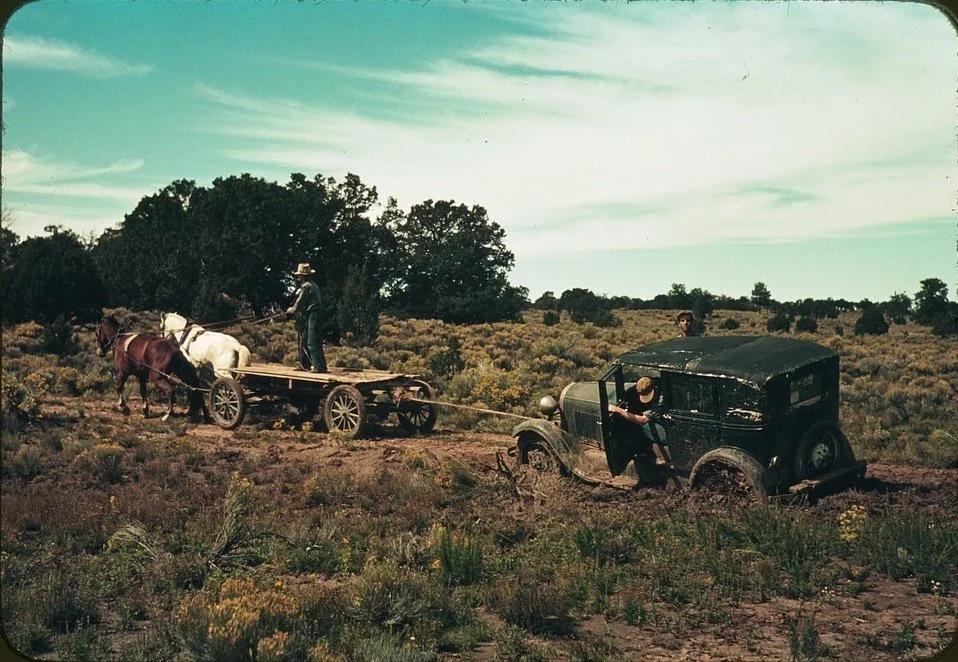
Artist, teacher, decorator, and architect May E. J. Colter (1869 – 1958) was born at a time when “car” referred to a train carriage. She was a frequent train passenger. In the first eleven years of Colter’s life, her family moved from Pittsburgh to Saint Paul (Minnesota), Texas, Colorado, and back to Saint Paul. As a young woman, Colter traveled to California to attend art school before returning to Saint Paul via a six-month teaching stint in Wisconsin.
Colter’s wanderlust continued even as she settled into a 16-year teaching career in St. Paul, with trips to Seattle, Albuquerque, and (no doubt) other locations. In 1910, Colter’s opportunities to travel expanded. That was the year she began working full-time for the Fred Harvey hospitality company. Fred Harvey managed the restaurants, hotels, newsstands, and other concessions along the Atchison, Topeka, & Santa Fe Railway’s routes, and Colter frequently traveled among these properties.
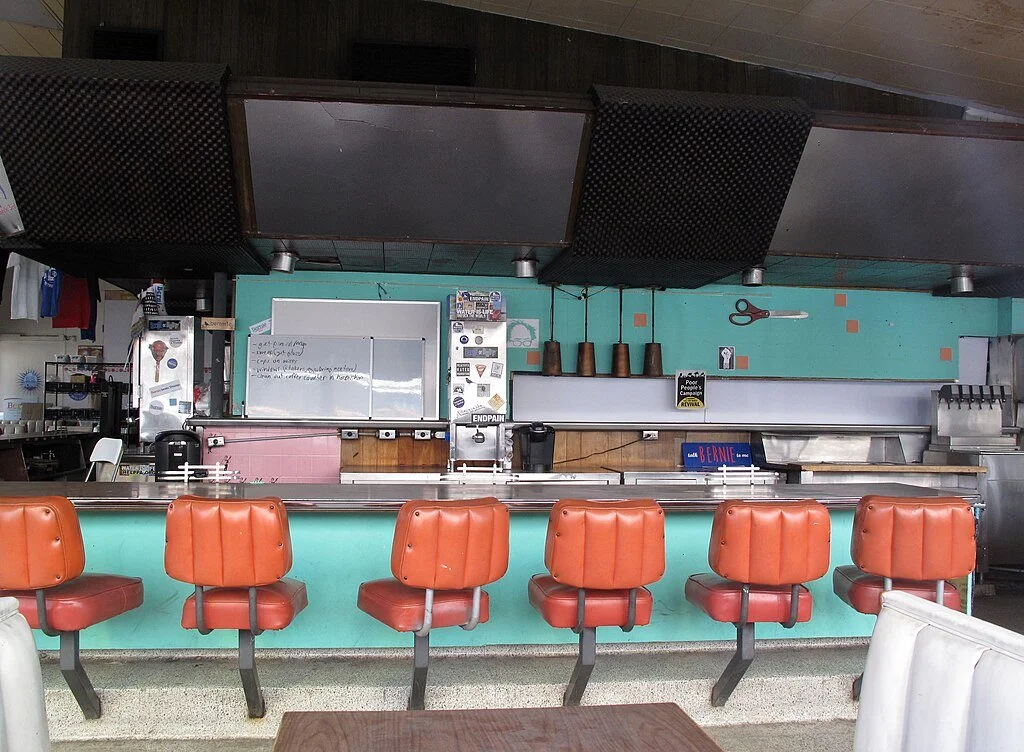
Helen Liu Fong Excelled at Googie Design
Interior designer Helen Liu Fong (1927 – 2005) played a key role in the design of numerous futuristic coffee shops, motels, gas stations, and more in Los Angeles in the 1950s and 1960s. The challenge was to get people out of their cars. With brightly colored finishes, large glass windows, dramatic rooflines, and a lot of neon, Fong’s buildings beckoned to passing drivers. This style of architecture had been dubbed “Googie” by critic Douglas Haskell. It proliferated in Southern California from the 1940s to the 1970s.
Fong was born in LA’s Chinatown to Chinese immigrant parents. Growing up, she and her siblings helped in the family’s laundry business, but her father wanted them to get an education so they could be independent. Fong was a good student. She was admitted to UCLA, then transferred to UC Berkeley. She graduated with a degree in City Planning in 1949 and returned to LA.
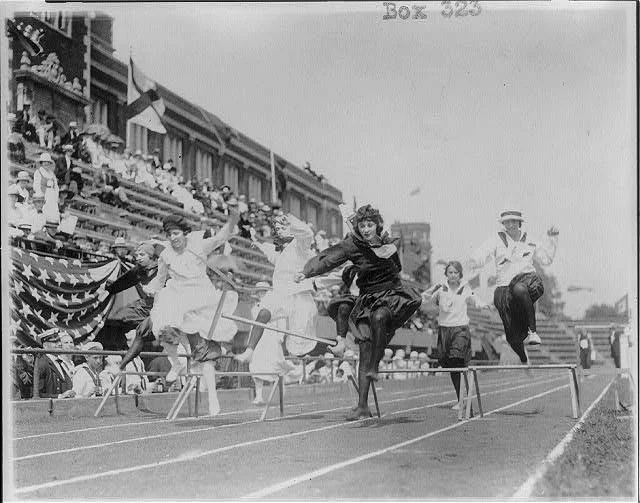
Women Not Competing for Jobs: The Hurdle that isn’t There
Women are less likely than equally-qualified men to apply for positions when their qualifications do not meet all the criteria. This results in a smaller pool of female candidates, which in turn contributes to the lower rate of women in leadership positions across most professions.
It is not a lack of confidence that keeps female applicants from applying when their skills and experience do not match a job description perfectly, Tara Sophia Mohr writes in The Harvard Business Review. “What held them back from applying was not a mistaken perception about themselves, but a mistaken perception about the hiring process,” Mohr writes. “When those women know others are giving it a shot even when they don’t meet the job criteria, they feel free to do the same.”
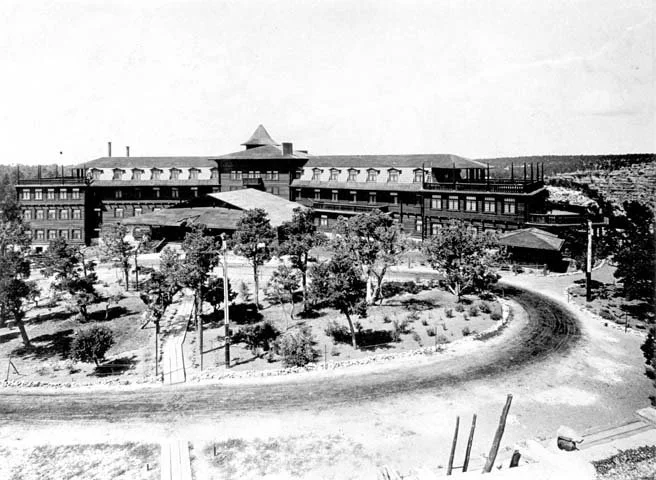
Mary E. J. Colter and Charles F. Whittlesey, Architects
Throughout her four decades as a decorator and architect for the Fred Harvey hospitality company, Mary E. J. Colter (1869 – 1958) collaborated with many different people. One of the first architects she worked with was the Santa Fe Railway’s chief architect.
Charles F. Whittlesey (1867 – 1941) was just two years older than Colter but had significantly more architecture experience when they met in 1902. Although both received their training in an architect’s office, Colter began her first career as a teacher in St. Paul. Whittlesey got a position as a clerk and later apprentice in a Chicago architecture firm. He began working for Addison & Fiedler, Architects around 1882 when he was just fifteen. In 1889 he started his own firm, and around 1890 he became the chief architect for the Santa Fe Railway.